|
Imagine you've just been diagnosed with a bacterial infection, and your healthcare provider prescribes Amoxil to help you recover. You might have heard various opinions about this medication—some accurate, others not so much. It's natural to have questions: What exactly is Amoxil? How effective is it? Are there any risks involved? This article aims to separate fact from fiction about Amoxil, providing clear, evidence-based information.
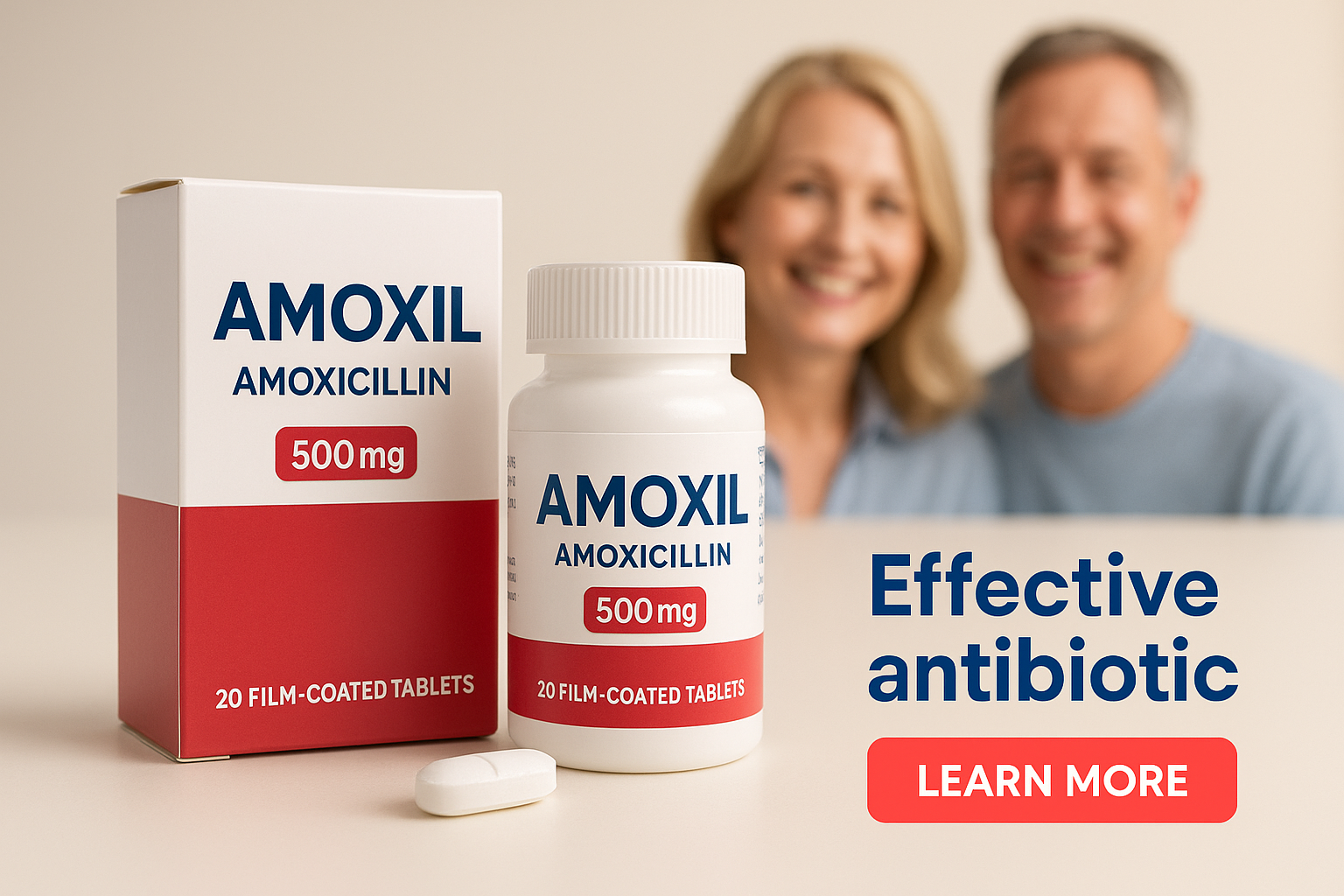
Amoxil is a brand name for amoxicillin, a widely used antibiotic from the penicillin class. It works by stopping the growth of bacteria, making it effective against a range of infections such as ear infections, strep throat, pneumonia, and urinary tract infections. However, despite its common usage, myths about Amoxil abound, particularly concerning its dosing, accessibility, and safety.
One common misconception is that you can safely obtain amoxicillin without a prescription. While many people might be tempted to look for amoxicillin online pharmacy options or even buy cheap amoxicillin pills from unverified sources, this practice is risky. Antibiotics like Amoxil should only be used under medical supervision to prevent misuse, resistance, and adverse side effects. The FDA rigorously regulates medications like amoxicillin, as outlined in the FDA doc amoxicillin, ensuring safety and efficacy when prescribed correctly.
Dosage is another area frequently misunderstood. For instance, amoxicillin comes in various strengths such as amoxicillin 250mg and amoxicillin 650mg capsules. Your healthcare provider will recommend a dose based on the type and severity of your infection. It's important not to self-adjust dosages or switch between different strengths without consulting your doctor. Moreover, generic amoxicillin at Walmart or other stores offers the same quality as brand-name options like Amoxil, but you should still follow professional guidance on which product and dosage are appropriate.
Let’s bust some widespread myths about Amoxil:
- Myth: Amoxil cures viral infections.
Fact: Amoxil treats bacterial infections and is ineffective against viruses like the common cold or flu.
- Myth: You can stop taking Amoxil once you feel better.
Fact: Completing the full prescribed course is crucial to prevent antibiotic resistance and ensure complete eradication of bacteria.
- Myth: Amoxil causes severe side effects in everyone.
Fact: Most people tolerate amoxicillin well, though some may experience mild side effects like nausea or rash.
- Myth: Taking Amoxil with alcohol reduces its effectiveness.
Fact: While alcohol doesn’t reduce amoxicillin’s activity, it’s best avoided to prevent unnecessary strain on your liver and immune system.
- Myth: Amoxicillin from Canada or other countries is unsafe.
Fact: Many international amoxicillin products meet stringent quality standards, but purchasing from verified sources is essential.
Clinical research supports the effectiveness of amoxicillin in various treatment regimens. A notable study comparing different antibiotic therapies can be found in the Comparison of the Eradications Rates of Sequential Therapy Versus Concomitant Therapy, highlighting amoxicillin’s role in successful infection clearance. Additionally, in dental procedures, the Effects of Antibiotic Prophylaxis on the Healing Parameters Following Surgical Crown Lengthening offer insights into how amoxicillin supports post-surgical recovery.
For those curious about how Amoxil stacks up against other common antibiotics like Cipro, here’s a simple comparison:
| Medication |
Effective Against |
Common Dosage Forms |
| Amoxil (Amoxicillin) |
Bacterial infections such as ear infections, strep throat, UTI |
250mg, 500mg capsules, suspensions |
| Cipro (Ciprofloxacin) |
Broad-spectrum against gram-negative bacteria, some gram-positive |
250mg, 500mg tablets |
| Penicillin V |
Strep infections, some respiratory tract infections |
250mg, 500mg tablets |
Key Takeaways
- Amoxil is a trusted antibiotic for treating bacterial infections but must be used responsibly.
- Obtaining amoxicillin without a prescription is unsafe and discouraged.
- Dosage varies; always follow your healthcare provider's instructions.
- Amoxil is well-studied, with regulatory approval ensuring its safety and effectiveness.
Frequently Asked Questions
Can I buy Amoxil without a prescription?
No, amoxicillin including Amoxil requires a prescription from a licensed healthcare provider. Using antibiotics without proper diagnosis and guidance increases the risk of resistance and side effects.
Is Amoxil safe during pregnancy?
Amoxil is generally considered safe during pregnancy, but always inform your healthcare provider before taking any medication. They will weigh the benefits and potential risks specific to your situation.
What should I do if I miss a dose of Amoxil?
If you miss a dose, take it as soon as you remember unless it’s almost time for the next dose. Do not double up doses to make up for a missed one. Maintaining consistent levels of the antibiotic helps ensure effectiveness.
Are there any common side effects I should watch for?
Common side effects include mild diarrhea, nausea, and skin rash. If you experience severe allergic reactions such as difficulty breathing or swelling, seek emergency medical attention immediately.
In summary, Amoxil is a widely prescribed antibiotic that, when used appropriately, effectively treats numerous bacterial infections. By understanding its proper use, potential side effects, and the importance of medical supervision, you can ensure a safe and speedy recovery. If you’re ever unsure about your medication, consult your healthcare provider and avoid unverified sources, whether you’re considering amoxicillin 250mg, amoxicillin 650mg, or alternatives.
For those looking to explore medications related to infectious diseases or other health conditions, you might want to learn more about Nizagara to understand different pharmaceutical options available.
|